2026-8-7 20:00 |
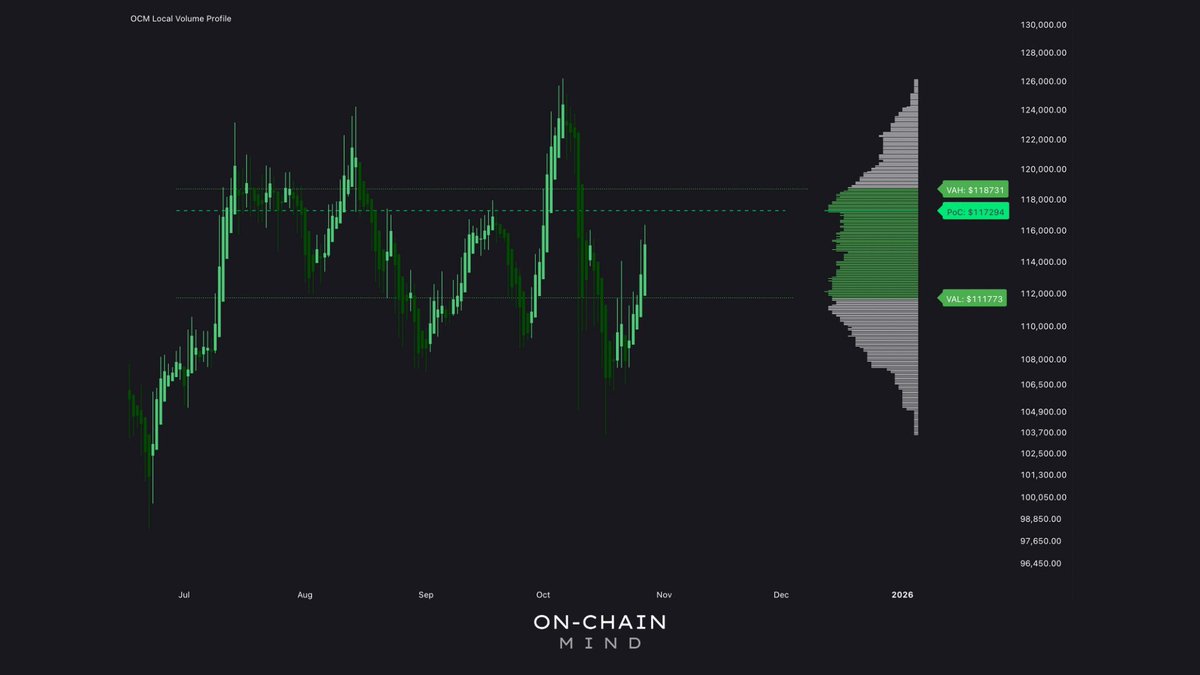
Bitcoin has spent weeks compressed inside a narrow band. Realized volatility has dropped toward historic lows, a pattern that typically encourages leveraged positioning and short-volatility strategies. Yet the surface calm masks structural vulnerabilities that can crystallize fast when liquidity retreats. As the original report from CoinDesk’s Daybook points out, low volatility does not equal low risk. The distinction matters now more than ever because the market’s risk layers are building quietly.
Where the Volatility WentThe compression in bitcoin’s price action is not random. It follows the secular absorption of spot supply by ETFs, corporate treasuries, and long-term holders. Order books on major exchanges have thickened for the largest pairs, and market makers have tightened spreads. That dampens intraday swings and creates an illusion of stability. But thinner books on altcoins and perpetual futures markets tell a different story. Bitcoin’s own spot depth can evaporate during off-hours or around macro events, a reminder that the liquidity is conditional, not structural.
At the same time, derivatives open interest has not contracted meaningfully. Funding rates hover near neutral, but the notional value sitting in options and futures remains large. A volatility regime shift—triggered by an unexpected macro catalyst or a clearing cascade—would stress the market in ways the current VIX-like metrics do not price. The market has grown comfortable with the idea that bitcoin is behaving like a stable asset. That comfort is exactly what turns low volatility into a tripwire.
Liquidity Layers and Hidden LeverageOne risk vector is the growing mismatch between on-chain settlement volume and off-chain derivatives. Centralized exchanges still custody the bulk of collateral backing perpetual swaps and options. A solvency scare, even at a second-tier venue, would ripple quickly. While the industry has improved proof-of-reserves and compliance, concentration in a handful of platforms remains a single-point-of-failure problem. Bitcoin’s low volatility can nudge traders toward higher leverage ratios, convinced that margin calls are unlikely. When price breaks out of the range, the unwind can be violent precisely because positioning is one-sided.
Another overlooked layer is the role of stablecoins in suppressing volatility. Large stablecoin pools on exchanges act as dry powder, absorbing sell pressure. But if a major stablecoin faces a redemption crisis or regulatory action, the liquidity that keeps bitcoin contained would vanish. The shrinking volatility is, in part, a function of that artificial buffer. Removing it would reintroduce the kind of gap moves the market has not seen for months.
Regulatory and Macro OverhangsThe regulatory front remains the most unpredictable variable. In the U.S., landmark crypto legislation is moving through the Senate with fierce pushback from traditional banking interests. Banks are attempting to kill the biggest crypto bill in US history days before the vote, demanding changes that could unravel the compromise needed for passage. If the bill fails or gets watered down, the regulatory fog that has kept institutional capital cautious will persist. Bitcoin’s low volatility could then be interpreted less as maturation and more as stagnation—a market unable to price a clear path forward.
Macro conditions add another layer. Central bank rate paths remain uncertain. Bitcoin’s correlation with risk assets, especially tech equities, tends to reassert itself during liquidity squeezes. A sharp repricing in bond markets or a credit event would not spare crypto, regardless of how subdued bitcoin’s daily swings appear. The volatility surface may look benign, but the tail risk is not adequately reflected in at-the-money options. That gap between perceived and actual risk is the core of the warning in the Daybook note.
The Institutional Absorption ParadoxInstitutional flows into tokenized products and real-world assets are reshaping market structure. As noted in a recent tokenization roundup, the on-chain real-world asset market crossed $20 billion, and large consolidations like Bullish’s $4.2 billion acquisition of Equiniti signal deep capital commitment. That trend pulls bitcoin into traditional finance plumbing, subjecting it to the same settlement and custody infrastructure risks that bedevil legacy markets. The more bitcoin gets wrapped into ETFs, collateral baskets, and prime brokerage arrangements, the more its risk profile becomes intermediated and opaque.
The paradox is that the very forces that compress volatility—institutional custody, ETF inflows, market-maker hedging—also create new transmission channels for systemic risk. A glitch in a major prime broker’s reconciliation process, a margin model failure, or a legal challenge to ETF redemptions could suddenly freeze the liquidity that keeps bitcoin’s range tight. Low volatility, in that context, is not safety; it is the surface expression of a tightly wound spring.
Bitcoin’s price stability may feel like a reason to reduce portfolio hedges, but the market is rarely more fragile than when it appears most stable. The current calm does not reflect an absence of risk. It reflects a concentration of risk in instruments and intermediaries that the spot chart alone cannot capture. Traders who confuse low volatility with low risk are building positions on a fault line, and the next tremor will test whether the market’s depth is as real as the headline numbers suggest.
origin »Bitcoin price in Telegram @btc_price_every_hour
Bitcoin (BTC) на Currencies.ru


|