2026-2-23 16:44 |
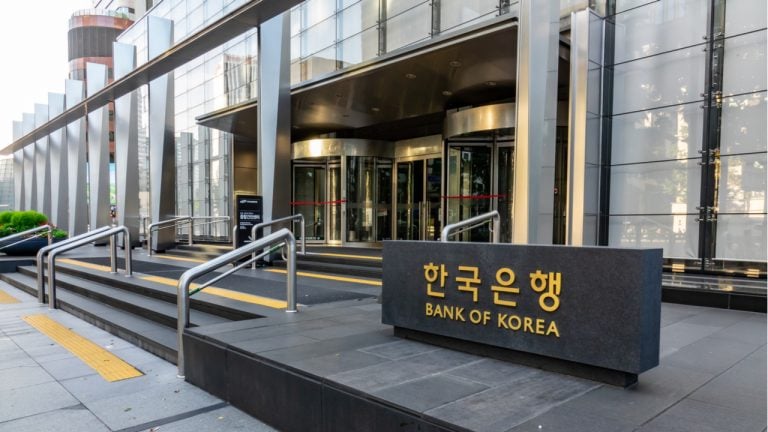
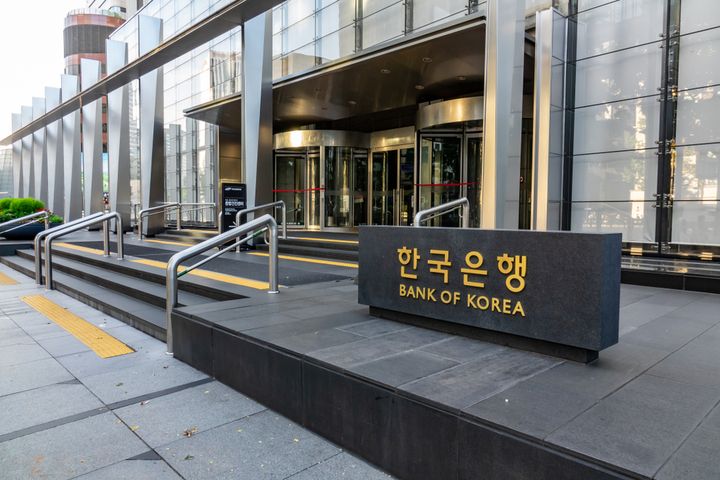
South Korea’s stablecoin framework is facing renewed scrutiny as the country’s central bank urges lawmakers to keep control of won-pegged digital tokens within the traditional banking system.
In a report submitted to the Bank of Korea’s parliamentary oversight body, the central bank raised concerns about privately issued stablecoins.
It warned that such tokens could weaken monetary policy transmission, disrupt foreign exchange oversight, and create broader financial stability risks.
The intervention comes as the National Assembly Strategy and Finance Committee continues deliberations on who should be allowed to issue won-backed digital assets and how much authority banks should hold.
Monetary and forex concernsIn its submission to lawmakers, the Bank of Korea described won stablecoins as currency-like substitutes.
It said their rollout must account not only for potential industrial or technological gains but also for implications for monetary policy, foreign exchange stability, and systemic risk.
The central bank reiterated that stablecoins could be used to bypass foreign exchange regulations, including prior reporting requirements.
If issued outside the banking system, such tokens could move value across borders in ways that complicate supervision.
According to local reporting, the bank cautioned that non-bank issuance could dilute existing regulatory safeguards and reduce oversight effectiveness.
Banking principles at stakeBeyond macroeconomic concerns, the Bank of Korea also raised structural issues.
It argued that allowing non-bank entities to issue won-pegged stablecoins independently could conflict with South Korea’s separation of banking and commerce principles.
Banks, the central bank noted, already operate under capital adequacy rules, governance standards, and compliance frameworks.
For instruments that function similarly to money, it said, these safeguards are critical.
The report therefore recommended that commercial banks should be permitted to issue won stablecoins first.
Any broader participation by non-bank institutions, the central bank added, should be introduced gradually.
Expansion beyond banks would require detailed risk assessments and a clear supervisory structure.
Legislative friction over eligibilityThe debate unfolds as lawmakers work to finalise a delayed stablecoin framework.
A central sticking point remains issuer eligibility.
Some proposals would open issuance to a wider range of financial and technology firms.
Others would grant banks a dominant or exclusive role in any issuing entity.
How much control banks should exercise, whether through direct issuance or through equity stakes in stablecoin operators, remains under discussion.
The Bank of Korea’s report effectively reinforces a bank-first model, placing monetary and foreign exchange considerations at the centre of legislative talks.
Safeguards and global referenceWhile highlighting risks, the central bank acknowledged that programmable stablecoins could support digital asset innovation and serve as payment tools.
However, it emphasised the need for structural safeguards.
Among the measures floated were a bank-centred consortium model and the creation of a statutory interagency policy body to coordinate approvals and supervision across regulators.
Such a mechanism could reduce fragmentation and ensure consistent oversight.
The Bank of Korea cited the GENIUS Act in the United States as an example of cross-agency supervision involving the Treasury Department, the Federal Reserve, and the Federal Deposit Insurance Corporation.
The post South Korea debates bank control over won stablecoins appeared first on Invezz
origin »Bitcoin price in Telegram @btc_price_every_hour
Time New Bank (TNB) на Currencies.ru


|