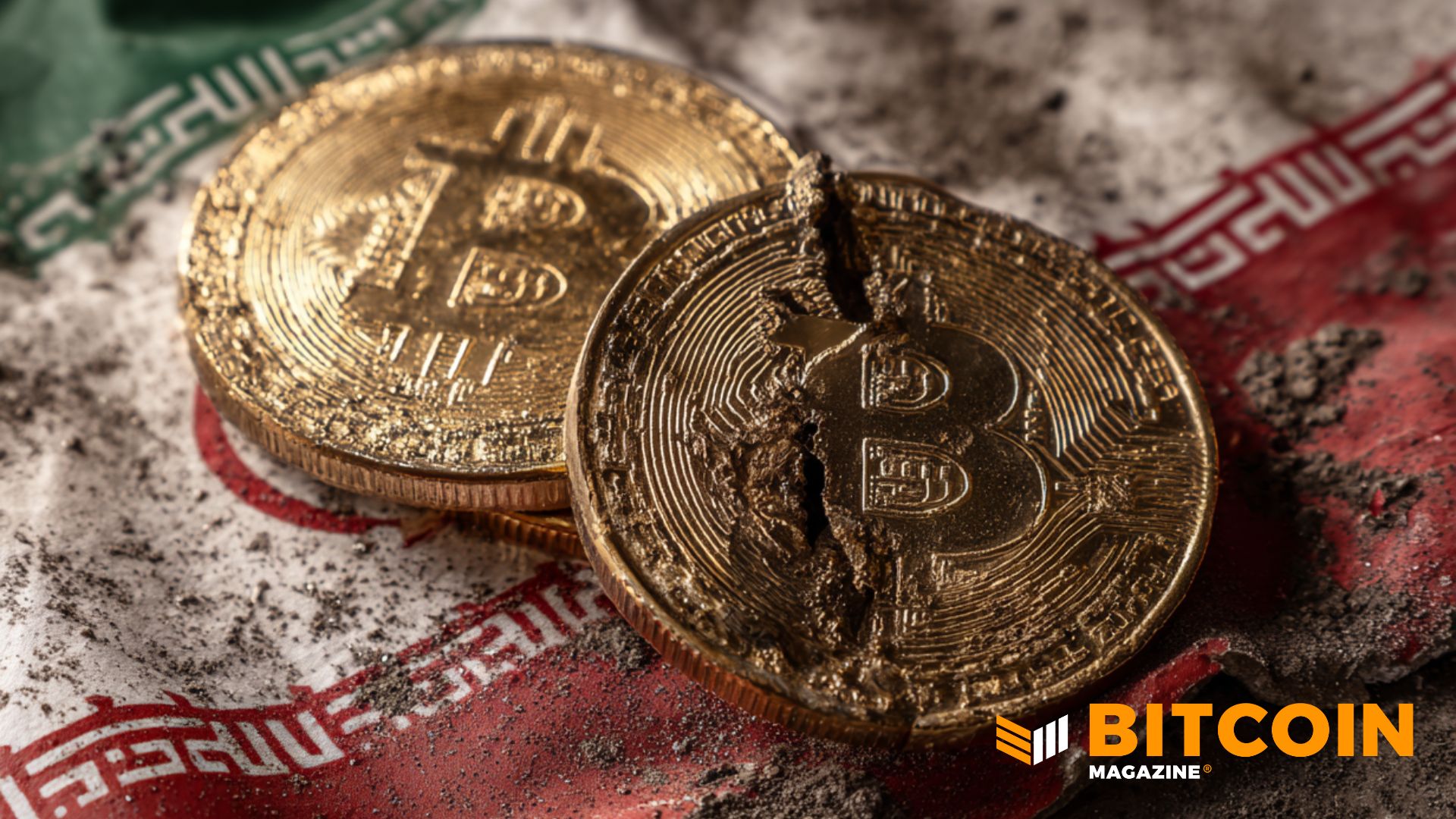
Energy, Currency And Deglobalization Warning Signs

2022-8-27 05:30

This analysis of the changing world order, its impacts on the global economy, and the future of central bank monetary policy is the first in a two-part series.

The below is an excerpt from a recent edition of Bitcoin Magazine Pro, Bitcoin Magazine's premium markets newsletter. To be among the first to receive these insights and other on-chain bitcoin market analysis straight to your inbox, subscribe now.

This Bitcoin Magazine Pro article is the first in a two-part series on the changing world order, its impacts on the global economy, and the future of central bank monetary policy. To conclude, we will elaborate on how bitcoin might tie into the world which we are transitioning towards.

These ideas piggyback upon the ideas and writings of Zoltan Pozsar and Luke Gromen.

Part One:

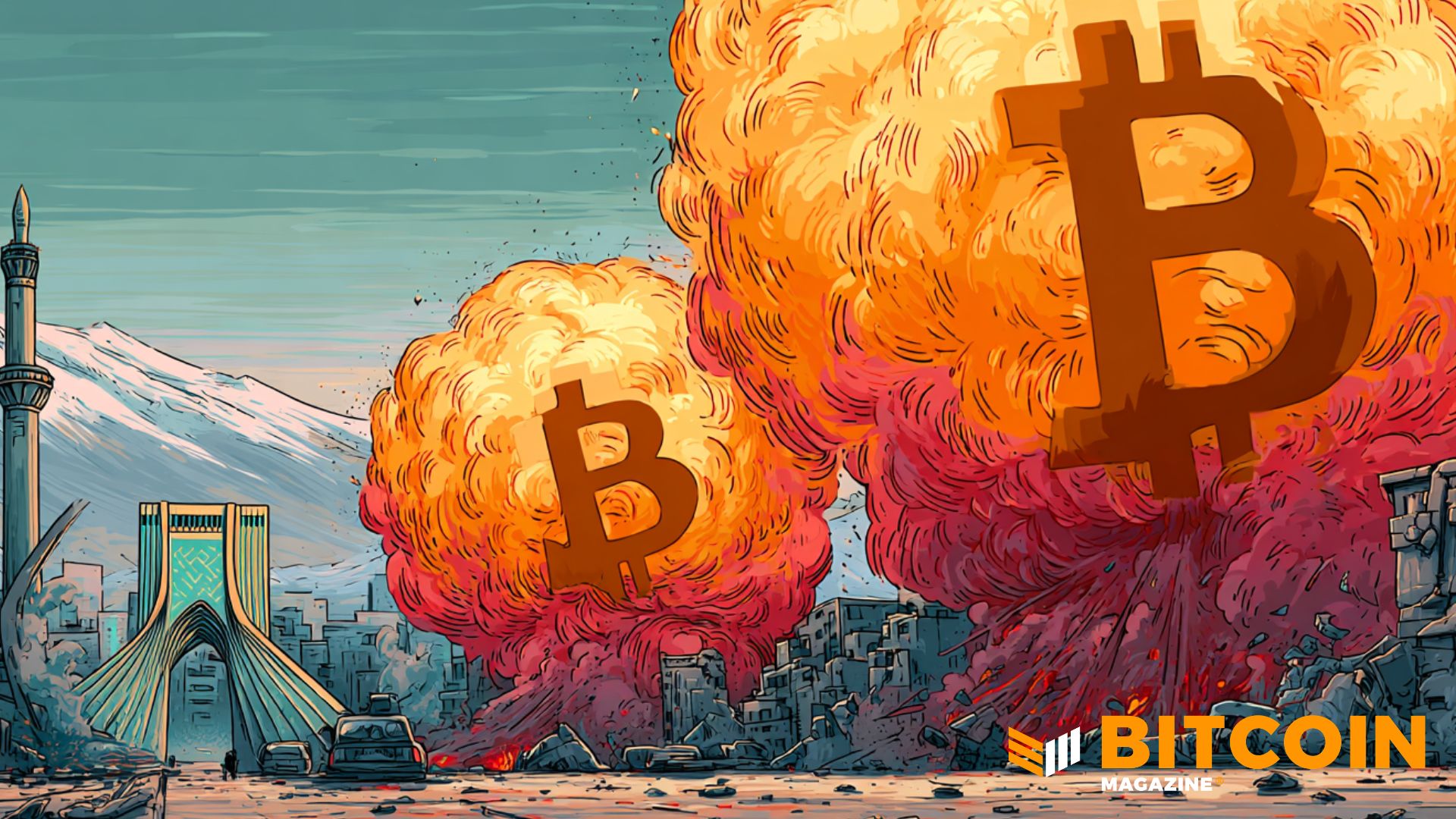
The world is at war. While at first this statement may sound hyperbolic, it has become increasingly obvious that the world is in the midst of an economic war that is at the risk of turning “hot.”

Before diving into the complex elements of global geopolitics, let’s first evaluate why as market participants it is even worth our time to analyze. The most important thing to understand as an investor (more broadly a global citizen at large) is that the previous three decades were a total anomaly in the span of global history.

Following the collapse of the Soviet Union, trade mobilized on a global scale unlike anything ever seen before, as the U.S. played peacemaker patrolling trade routes with their navy. This contributed to what many now refer to as The Great Moderation.

One can broadly think of The Great Moderation as a synonym for globalization on a scale never seen before. Particularly, the disinflationary environment of the previous three decades allowed for real growth to persist, and for U.S. financial assets to go parabolic off the backs of low interest rate policy and seemingly never-ending quantitative easing programs post the Great Financial Crisis.


Treasury securities, which are merely claims on future dollars with an attached interest rate, allowed for nations to store their economic surplus. This system benefited sovereign stakeholders so long as dollars, and subsequently treasuries, held their purchasing power in real terms.

Following the invasion of Ukraine in February, G7 nations announced the freezing of Russian Central Bank assets. Remember, sovereign debt is nothing other than a promise of future payment from another nation; a liability of your counterparty.

With this move, a clear precedent was set. In our February monthly report, we said the following.

“The move essentially told all sovereign nations, especially China, ‘Your foreign exchange reserves might not be yours if you make a wrong step.’”

While speculating on the potential for hot war to break out is no exciting task, it is clear for those paying attention that geopolitical tensions are continuing to heat up, and history tells us that conflicts are rarely anything but inflationary. Not only due to the protectionist trade policies that nations take on, but also due to the supply and demand imbalance that a massive industrialization towards war requires.

Knock-On Effects

The next piece, which will serve as a part two to this primer, will dive into the knock-on effects of the energy crisis in Europe, increasing geopolitical tensions globally, gurgling global debt markets, and the possible future role for bitcoin in a deglobalizing world.

The release will take place after Jerome Powell’s speech at Jackson Hole, where central bankers from around the world, academics, influential economic thinkers, and policymakers will discuss and address "Reassessing Constraints on the Economy and Policy.” 

origin »

Bitcoin price in Telegram @btc_price_every_hour

Molecular Future (MOF) íà Currencies.ru

$ 0 (+0.00%)
Îáúåì 24H $0
Èçìåíåèÿ 24h: 0.00 %, 7d: -0.01 %
Cåãîäíÿ L: $0 - H: $0
Êàïèòàëèçàöèÿ $0 Rank 99999
Öåíà â ÷àñ íîâîñòè $ 0.0036936 (-100%)

monetary bank future economy central policy two-part

monetary bank → Ðåçóëüòàòîâ: 126


Bitcoin the Answer to Monetary Debasement?

As central bankers around the world get set for a prolonged period of monetary debasement, the 99% could look to Bitcoin for protection. A Decade of Monetary Debasement Looms The European Central Bank issued guidance at the end of last year that it would keep “the key ECB interest rates to remain at their present […] The post Bitcoin the Answer to Monetary Debasement? appeared first on Crypto Briefing.

2020-1-7 09:23


Ôîòî:

Singapore’s Central Bank Warns Citizens Against Cryptocurrency Exchange Scam

The Monetary Authority of Singapore (MAS), the apex bank of the country, has warned investors to be wary of a scam bitcoin investment website that has been soliciting for funds from members of the public by using false statements purportedly made by Goh Chok Tong, the former Prime Minister of Singapore, according to a pressRead MoreRead More.

2019-8-1 01:00


Crypto Land Looks on as Wall Street Suffers Another Security Breach

Just as monetary policymakers couldn’t appear to be more hypocritical by singling out the emerging cryptocurrency industry for being too loosey-goosey, fate has stepped in. When things seemingly couldn’t get any worse for Deutsche Bank, the Wall Street firm is now troubleshooting a possible security breach involving sensitive client information, according to a report in […] The post Crypto Land Looks on as Wall Street Suffers Another Security Breach appeared first on CCN Markets

2019-7-29 20:15


France Finance Ministry Agrees With President Trump’s Stance On Libra And Monetary Sovereignty

There are reports coming from France’s Finance Ministry that confirms that they have the same stance as Trump when it comes to Facebooks Libra. President Trump claimed on Thursday that Facebook should have to register as a bank and submit to banking regulations if it plans to move forward with Libra, which company officials have […]

2019-7-13 20:10


Ôîòî:

ECB Executive Says Libra Crypto Is a Wakeup Call to Regulators

An Executive Board Member of the European Central Bank (ECB), the financial institution responsible for administering monetary policies within the Eurozone, has opined that financial watchdogs across the globe must now fast track the process of regulating bitcoin (BTC) and other blockchain-based digital assets, as more and more institutions like Facebook join the bandwagon, reportsRead MoreRead More.

2019-7-8 13:35


Facebook’s Libra Could Castrate Central Banks, Says Ex-World Bank Chief Economist

Central bankers and other makers of monetary policy have every reason to fear Facebook’s cryptocurrency Libra, according to a former chief economist of the World Bank. Libra will make it impossible for central banks to control inflation Per Kaushik Basu, who was the World Bank’s chief economist from 2012 to 2016, Libra will render the […] The post Facebook’s Libra Could Castrate Central Banks, Says Ex-World Bank Chief Economist appeared first on CCN Markets

2019-6-29 18:21


Fed Chair Jerome Powell Talks About Facebook’s Crypto Project During A Press Conference

Jerome Powell said the monetary policy shouldn’t be affected by Cryptocurrencies Libra will be strictly regulated by agencies and governments all around the world The Chairman of the Federal Reserve of the United States Jerome Powell talked with the reporters about Facebook’s recently launched Libra. As reported by The Block, the central bank of the […]

2019-6-20 03:54


European Central Bank: Crypto Currently Has No Significant Implications for Monetary Policy

It’s no secret that cryptocurrencies are not looked upon favorably by most major central banks across the world. Some crypto enthusiasts believe that central banks fear that the nascent technology could pose threats to existing monetary systems, while others believe that central banks will begin adopting the technology in the future.

2019-5-19 22:30


IMF Spring Meeting on “Money and Payments in the Digital Age” Says Crypto Payments Inevitable

According to a recent report by the Financial Times, the International Monetary Fund (IMF) and the World Bank are launching their own permission blockchain and a token called “learning coin.” The purpose of these tools will be to study the application of blockchain and cryptocurrency technology. As the report pointed out, the coin was developed […]

2019-4-24 19:20


Ôîòî:

Nobody Shills Bitcoin Quite Like The International Monetary Fund (IMF)

The International Monetary Fund (IMF) may have accidentally delivered its biggest advertisement for Bitcoin yet as it argues for negative interest rates. Bitcoin Proponents Thank IMF… Again Retweeting a blog post from February this year, the financial organization reiterated its faith in central banks increasing negative interest rates – essentially taxes on using money.

2019-4-22 21:00


Ôîòî:

Argentina Central Bank’s Inability to Stop Inflation is Forcing People to Bitcoin

As Argentina’s inflation rate skyrockets to its highest level since 1992, people are increasingly turning to Bitcoin as an alternative. Inflation in Argentina Surpasses 54 Percent Argentina’s central bank already tightened monetary policy three times in the last month, and inflation is still accelerating at a rate of nearly 55 percent.

2019-4-18 01:00


Ôîòî:

3 Countries Tell IMF They Want To Issue Bitcoin Bonds

The governments of at least three countries have formally acknowledged their interest in issuing a sovereign Bitcoin bond to raise capital. Afghanistan, Tunisia, Uzbekistan And Bitcoin Asia Times originally reported the trend April 17 referencing recent statements at this week’s World Bank and International Monetary Fund (IMF) Spring Meetings held in Washington DC.

2019-4-17 17:00