2025-12-23 12:59 |
US inflation came in softer than expected, and the Fed delivered its third consecutive rate cut. The Bank of Japan raised rates for the first time in three decades without triggering a meltdown.
On paper, the macro tape into year-end looks friendlier than it has in months.
As of press time, Bitcoin (BTC) is up 4% since Dec. 18, briefly touching $90,000 again on Dec. 22, only to stall. No parabolic leg, just a brief spike, followed by the same choppy range that has defined the fourth quarter.
The mismatch between softer macro conditions and muted Bitcoin response raises a question: if rate cuts and cooling inflation aren't enough to ignite a rally, what's holding the tape back?
The answer sits in the details: contaminated data, still-restrictive real yields, and Bitcoin's own structural fragility.
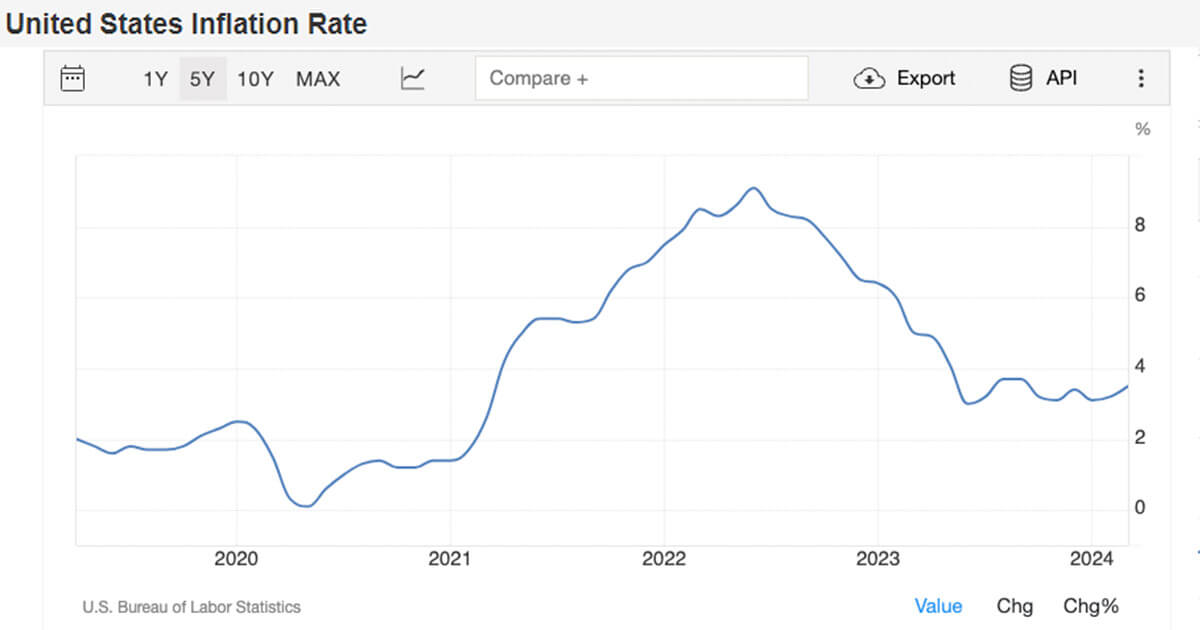
Good news with asterisksNovember's CPI delivered the headline everyone wanted: 2.7% year-over-year versus 3.1% expected, with core at 2.6% against a 3.0% consensus. That marked the lowest core reading since 2021 and the first time headline inflation clearly settled back inside the 2%-3% band.
However, every serious macro note flags the same problem: the six-week government shutdown meant October CPI was never published, and a chunk of November's prices were estimated rather than observed.
Rents and some services relied on modeled data rather than actual market readings. Reports cautioned against treating this as a clean regime change.
Fed Governor John Williams leaned into that skepticism. In his Dec. 19 interview and speech, he called the CPI print “encouraging” but explicitly noted that both inflation and unemployment data remain distorted by shutdown-related gaps.
He then said there is “no immediate need” for more cuts and described policy as “well balanced.”
That is the opposite of a green light. Rates are falling, but the Fed is signaling that this particular piece of good news is noisy and not a trigger for aggressive easing.
For Bitcoin, traders are unlikely to front-run a massive liquidity wave off a single contaminated report. Markets are waiting for a clean January print before deciding whether November was a blip or a genuine downshift.
Real yields still look nothing like 2020-21Even after three cuts and softer inflation, the macro plumbing remains tight. The 10-year TIPS yield is around 1.9% as of Dec. 22, while the Treasury's long-term real rate averages in the 1.5%-2% range.
That is miles above the negative real rates of 2020 and 2021, and keeps the discount rate on long-duration risk assets elevated.
US 10-year real yields remain around 1.9% in December 2025, far above the negative rates seen during 2020-2021. Image: FREDThe Fed ended quantitative tightening on Dec. 1, but that does not mean quantitative easing (QE) has resumed. Bank notes confirm that Treasury and MBS runoff has stopped, with the next phase described as “reserve management” via limited purchases, not a balance-sheet surge.
The Dec. 18 H.4.1 release shows total Fed assets around $6.56 trillion, down roughly $350 billion over the past year.
Williams emphasized that new asset purchases are “technical” and “not QE,” aimed at keeping money markets orderly rather than engineering a risk-asset melt-up.
The direction of travel has flipped from tightening to less tightening, but real yields remain positive, and the Fed is not shoveling fresh dollars into the system.
BoJ hike: anchor out, but chain still slackThe Bank of Japan's (BoJ) move to 0.75% was widely telegraphed and framed by Governor Kazuo Ueda as slow normalization. Reports noted that this marks the highest Japanese policy rate in three decades, with 10-year JGB yields hitting a 26-year high.
Macro desks are already writing the yen-carry angle, calling the hike “structurally important,” noting that if markets start pricing further hikes, that could trigger carry-trade unwinds and forced de-risking across global assets, including Bitcoin.
Right now, the yen has actually weakened again because Ueda emphasized gradualism. That gives traders breathing room but leaves latent stress in the system. The BoJ took the zero-rate anchor out but didn't yet yank on the chain.
Traders know that a genuine carry squeeze can trigger 20% to 30% drawdowns, making them reluctant to lever up just because the first hike landed without fireworks.
Bitcoin's own liquidity is depletingMacro conditions explain part of the muted response, but Bitcoin's internal structure explains the rest.
Glassnode's Week 50 note describes BTC as range-bound because of heavy underwater supply between roughly $93,000 and $120,000, fading demand, and increasing loss realization whenever the price pops.
Bitcoin's aggregated 2% market depth fell about 30% from its 2025 peak, declining from roughly $766 million in early October to around $569 million by early December, just as ETF outflows hit $3.5 billion in November.
Additionally, buying liquidity is “depleting,” with coins mostly churning among existing players rather than being absorbed by fresh capital.
October's run to $126,000 pre-priced a lot of the “good news.” What remains is a market with thinning depth, choppy ETF flows, and a heavy band of underwater supply above spot.
What this means for 2026The macro tape is no longer hostile, but it also isn't the kind of unambiguous, balance-sheet-driven boom that made 2020-21 feel inevitable.
Soft inflation and three Fed cuts would normally be rocket fuel, but this time the CPI data is distorted, the Fed is signaling “no rush,” and real yields remain positive. The shift from QT to neutral policy has not yet morphed into a true liquidity wave.
The BoJ's first 30-year-high hike removed the psychological zero-rate anchor that powered global carry trades, keeping an overhang above all levered risk trades.
Inside crypto, the market is waiting for either a clean macro break or genuinely new liquidity, not just another “good” headline.
Bitcoin is behaving like a half-mature macro asset, responsive to conditions but not explosive. In that gap between softer data and still-tight real conditions, the expected boom isn't materializing.
The post Bitcoin stalled at $90,000 because that “perfect” inflation report hides a massive data error appeared first on CryptoSlate.
origin »Bitcoin price in Telegram @btc_price_every_hour
Chronobank (TIME) на Currencies.ru


|