2026-2-9 15:11 |
Crypto analyst Alex Krüger says most tokens have failed by design, arguing that outdated regulation pushes projects to launch assets stripped of enforceable rights.
His comments coincide with a period of elevated token failures in the crypto market. Since 2021, over 13.4 million tokens have “died.”
Why So Many Altcoins Fail in Today’s MarketAccording to CoinGecko research, 53.2% of all cryptocurrencies listed on GeckoTerminal had failed as of the end of 2025. 11.6 million tokens collapsed in 2025, representing 86.3% of all failures recorded since 2021, signaling an unprecedented acceleration.
The number of crypto projects listed rose from about 428,000 in 2021 to 20.2 million by 2025. This surge was met with escalating failures: just 2,584 dead coins in 2021, rising to 213,075 in 2022, 245,049 in 2023, and 1.38 million in 2024. Yet, 2025’s collapse dwarfed all previous years.
Certain niches experienced even higher failure rates. Music and video tokens failed at rates close to 75%. Crypto analyst Krüger argued that outdated regulations and token structures fueled the crisis.
“Most tokens ever created are worthless by design because of outdated regulations,” he wrote.
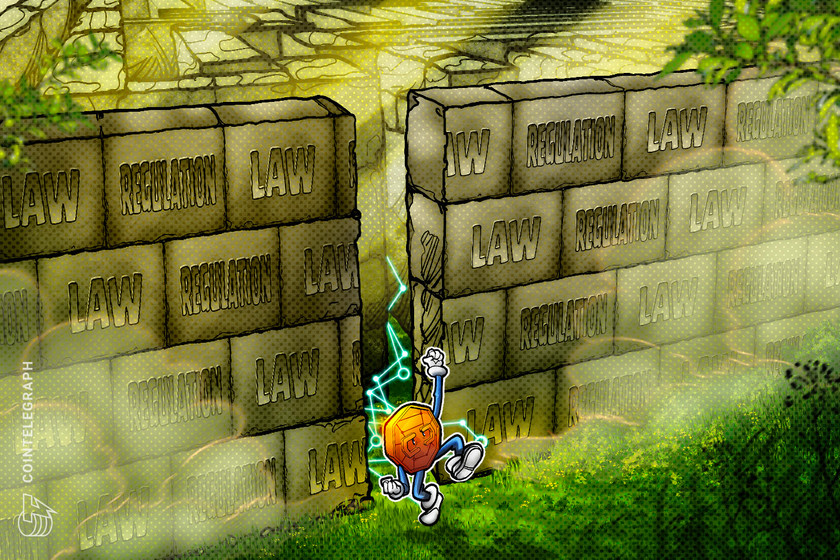
In a detailed post, Krüger argued that the SEC’s use of the Howey Test and enforcement-led oversight pushed crypto projects into a corner. For context, US regulators use the Howey Test to determine whether a transaction qualifies as an “investment contract” and therefore a security under federal securities laws.
A transaction is a security if it involves:
an investment of money, in a common enterprise, with an expectation of profit, based on the efforts of others.If all four are met, US securities laws apply. To avoid being classified as securities, teams systematically stripped tokens of all rights. The result, he said, was an asset class defined by speculation rather than ownership.
This design choice had far-reaching consequences. When token holders have no contractual rights, they also have no legal recourse. At the same time, founders face no enforceable fiduciary duties toward the people funding their projects.
In practice, this created an accountability vacuum. Teams could control large treasuries with or abandon projects entirely, often without facing legal or financial consequences.
“In any other market, a project offering zero rights and total treasury opacity wouldn’t raise a dime. In crypto, it was the only compliant way to launch. The result is a decade of tokens designed to soft rug,” he added.
Disillusioned by VC-backed utility tokens, retail traders turned to meme coins, which offered a transparent lack of utility. As Krüger highlighted, this trend increased speculation and intense market behaviors.
“And this only made the rot worse: memecoins are even more speculative and less transparent, accelerating a shift toward predatory PVP trading and zero-sum gambling,” he remarked.
Bingo. Largely why fungible tokens are uninteresting to me right now and I see nearly 100% of them as poor risk:reward.
There will be a reckoning and bleed to zero of nearly all of them. Eventually clear regulations will lead to tokens with strong fundamentals and/or equity.… https://t.co/INj6yH77j7
Krüger believes the solution is a new generation of tokens governed by a stronger regulatory framework.
The post 13.4 Million Altcoins Dead: How SEC Regulation Turned Crypto Into a Graveyard appeared first on BeInCrypto.
origin »Bitcoin price in Telegram @btc_price_every_hour
Emerald Crypto (EMD) на Currencies.ru


|