2026-7-29 16:40 |
Introduction
The Trezor Safe 5 is SatoshiLabs’ mid-tier hardware wallet, sitting between the entry-level Trezor Safe 3 and the flagship Trezor Safe 7. It’s built around a color touchscreen and haptic feedback rather than the older two-button interface, aiming to make secure crypto storage feel less intimidating without cutting corners on the security side. This review covers what’s actually inside the device, how it compares to the rest of the Trezor lineup, and whether it’s worth buying.
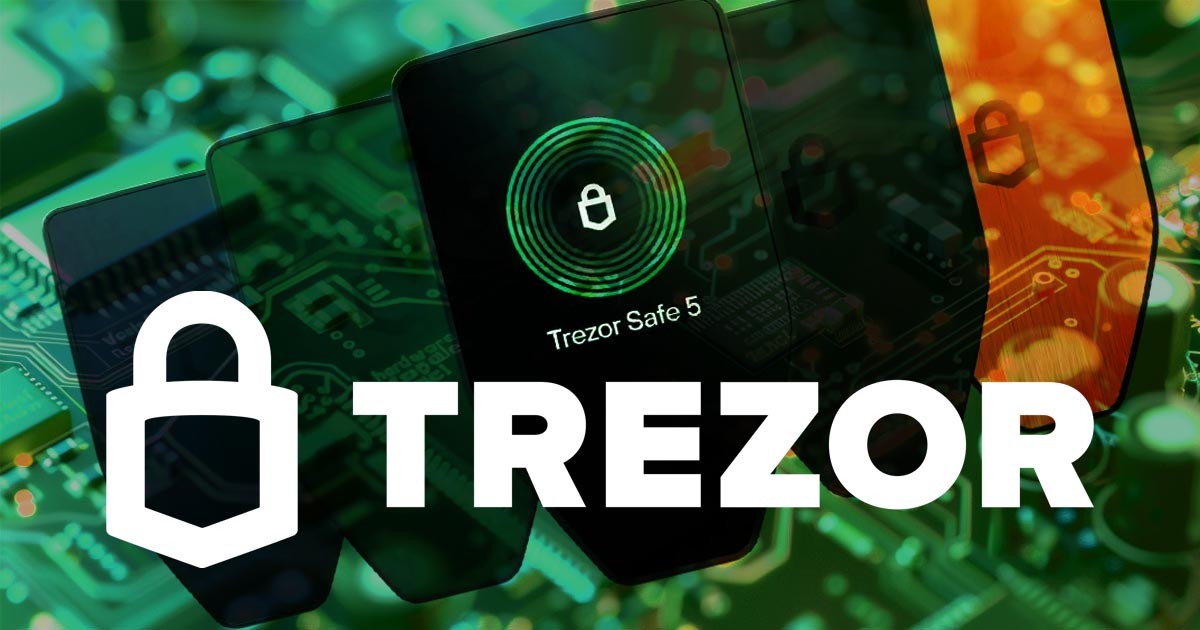
What Is the Trezor Safe 5?Trezor Safe 5 is a hardware wallet — a physical device that stores your crypto’s private keys offline, away from internet-connected devices that malware or phishing attacks can reach. According to Trezor’s official product page, the Safe 5 combines a 1.54-inch color touchscreen (240×240 pixels) with tactile Trezor Touch haptic feedback, letting you view, tap, and confirm transactions directly on the device rather than trusting a computer screen alone.
It’s built on Trezor’s decade of open-source hardware wallet development, and it manages coins and tokens through the companion Trezor Suite desktop and mobile app, which handles sending, receiving, buying, selling, and staking supported assets.
Security and Hardware SpecsThe Safe 5 uses a certified EAL6+ Secure Element chip alongside PIN and passphrase protection entered directly on the device, which Trezor’s product documentation describes as its primary defense against both online and offline threats. The screen itself is protected by Gorilla Glass 3, a scratch-resistant glass surface also used on many smartphones.
For backup and recovery, the Safe 5 supports the standard 12-, 20-, and 24-word backup phrase formats, plus an Advanced Multi-share Backup option that splits your recovery data across multiple physical backup cards instead of relying on a single phrase. Connectivity is USB-C, and the device includes a microSD card slot. Physically, it’s a compact device — about 66 x 40 x 8mm and 23 grams — powered by a 160MHz ARM Cortex M33 processor.
Trezor Safe 5 vs. Safe 3 vs. Safe 7: How It Fits in the LineupTrezor currently sells three hardware wallet models side by side, and Trezor’s own comparison page lays out exactly where the Safe 5 sits between them:
Trezor Safe 3 — the entry-level model, with a smaller 0.96-inch monochrome display and a two-button interface instead of a touchscreen. It still includes a Secure Element chip for device security, just without the touchscreen convenience. Trezor Safe 5 — adds the 1.54-inch color touchscreen and haptic feedback described above, positioned as the more comfortable, everyday option. Trezor Safe 7 — the flagship model, with a larger 2.5-inch high-resolution display, a next-generation TROPIC01 secure chip in a dual-Secure-Element architecture, Bluetooth wireless connectivity, Qi2 wireless charging, and IP54 dust/water resistance — features the Safe 5 does not include.Trezor’s own product FAQ frames the Safe 3 vs. Safe 5 choice specifically around comfort: the Safe 5’s touchscreen and haptic feedback are the upgrade over Safe 3’s two-button navigation, while both share the same Secure Element security foundation. The jump to Safe 7 is a bigger step up in build (aluminum unibody vs. Safe 5’s PC-ABS plastic body) and adds wireless features the Safe 5 doesn’t have at all.
Is the Trezor Safe 5 Worth Buying?For most people choosing between a hardware wallet and leaving crypto on an exchange, the core case for the Safe 5 is the same case for any reputable hardware wallet: your private keys never touch an internet-connected device, so an exchange hack or a phishing site targeting your browser can’t reach funds stored on it. Trezor’s device security also includes tamper-evident packaging and security seals, intended to give buyers confidence the device hasn’t been altered before it reaches them — which is also why Trezor recommends buying only through its official store or vetted resellers, not third-party marketplaces of unknown origin.
Within Trezor’s own lineup specifically, the Safe 5 makes sense if you want the touchscreen convenience without paying for the Safe 7’s wireless features and premium build. If budget is the main concern and you’re comfortable with a two-button interface, the Safe 3 covers the same core security fundamentals for less. If you want Bluetooth, wireless charging, and the toughest build quality, the Safe 7 is the step up.
Compared to a different category of hardware wallet — like the Tangem card-based system, which skips a screen entirely in favor of NFC-tap cards — the Safe 5’s on-device touchscreen confirmation is a meaningfully different security/usability trade-off: you get a visible display to verify transaction details directly, at the cost of a bulkier form factor than a credit-card-sized device.
If you’re weighing a hardware wallet against a software wallet altogether, that’s a different trade-off than comparing models within Trezor’s lineup: a software wallet like Trust Wallet or 1inch Wallet is free, instantly accessible on your phone, and fine for smaller everyday amounts, but its private keys live on an internet-connected device. The Safe 5 (and hardware wallets generally) exist specifically for the amounts and long-term holdings where that offline isolation is worth the extra step of carrying a physical device.
Pricing and Where to BuyAs of this writing, Trezor’s own store lists the Safe 5 (Black Graphite) at $103 on sale, with $129 as the standard list price — pricing is subject to change and promotions, so check Trezor’s current pricing directly rather than relying on any fixed figure. The device ships with a USB-C to USB-C cable, two 20-word backup cards, a start-up guide, and Trezor stickers.
origin »Bitcoin price in Telegram @btc_price_every_hour
Safe Exchange Coin (SAFEX) на Currencies.ru


|