2026-5-19 11:25 |
The Buyer Nobody Expected Showed Up
Five years ago a used-car dealer would have laughed at the idea of someone paying with bitcoin. Then it happened. Then it kept happening. The profile of the modern automotive buyer shifted faster than most dealerships could track — someone who holds digital assets as a primary store of wealth, skips the bank entirely and wants a vehicle purchase processed the same day an offer closes. That buyer exists in real numbers now. The automotive industry either adapts or watches transactions walk out the door.
Where Auctions Fit the New RealitySpeed attracts crypto-native buyers to auction formats more than any other channel. A bid closes, a price locks, a payment follows. Car auctions like abetter.bid connect buyers to Copart salvage inventory across the United States through a broker model. The platform lets users browse available lots, place bids through managed broker accounts, and handle the full purchase process remotely. For a buyer who holds crypto and wants a hassle-free path to a real vehicle without walking into a dealership, that structure removes considerable friction from a process that traditional payment methods complicate.
Why Blockchain Changes the Payment DynamicTraditional payment methods carry institutional delay. A wire transfer takes one to three business days. Credit cards introduce chargeback windows that complicate high-value sales. Crypto payment settles on a different timeline entirely. A confirmed ethereum transaction reaches finality in under five minutes. Bitcoin runs slower — typically ten to sixty minutes — but the outcome carries the same certainty: the funds arrived, the blockchain recorded it, no party disputes what happened.
That difference matters most in competitive auction environments where inventory moves within hours. A buyer who can finalize payment without waiting for bank clearance holds a structural advantage over one who cannot.
Payment TypeSettlement TimeReversal RiskRequires BankBank Wire1–3 business daysLowYesCredit CardsInstant auth / 30–90 day dispute windowHighYesBitcoin10–60 minutesNoneNoEthereumUnder 5 minutesNoneNoUSDC StablecoinUnder 1 minuteNoneNo The Volatility Problem Worth Taking SeriouslyHere is the part nobody highlights enough: volatility cuts in both directions. A buyer who agrees to purchase a car with crypto on Tuesday and waits three days to transfer funds faces real exposure. One real-world example — a buyer locked in a price on a late-model truck and watched his effective cost climb by over $2,000 before the transaction cleared because he held a volatile token rather than a stable asset.
Stablecoins solve this cleanly. USDC pegs to the dollar. The vehicle purchase price stays fixed from agreement to payment. A financial advisor would note the same logic: when the goal is to buy a car with cryptocurrency without taking on additional market risk, dollar-pegged cryptocurrencies handle that exposure better than bitcoin or ethereum ever will.
What Actually Happens at the Dealership LevelNot every car dealership or car dealer has built infrastructure for this. Franchise operations move slower because compliance teams flag cryptocurrency reporting complexity. Independent sellers and specialty platforms move faster. A dealership focused on high-value inventory — luxury cars, classic cars, supercars — often finds that the buyer demographic already holds digital assets as a primary wealth store.
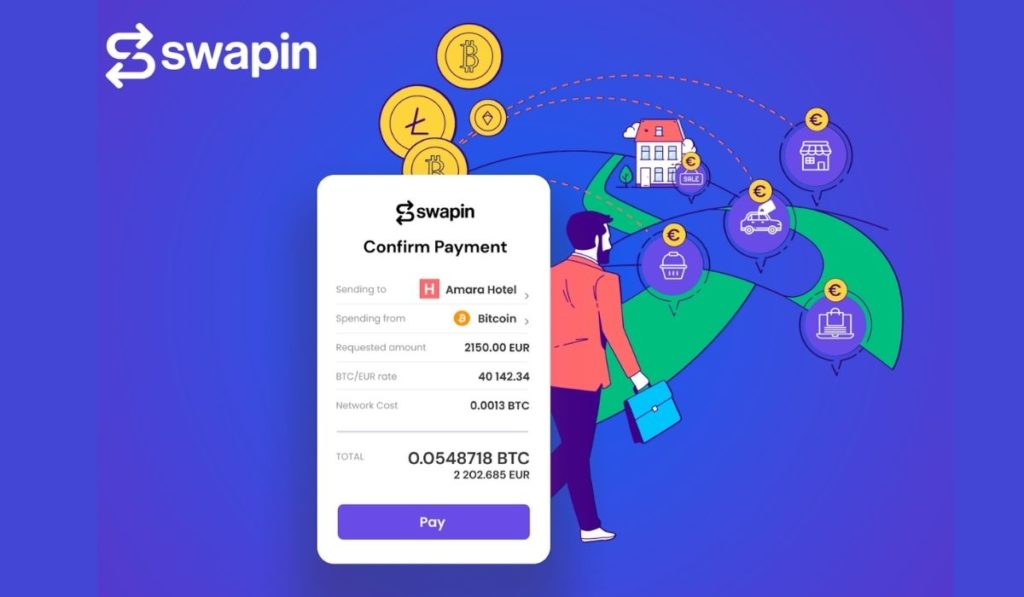
Payment processors like BitPay let a dealer accept bitcoin without holding it directly. The crypto payment converts to fiat at the moment the transaction closes. The seller receives USD. The buyer spends crypto. Neither side carries blockchain infrastructure overhead. That bridge is why more car dealerships now accept cryptocurrency without fully committing to a crypto-native workflow.
Platforms like BitCars operate as a dedicated marketplace for this exact use case — buyers who want to pay with crypto across a range of inventory types, from a used Tesla to an Aston Martin or a Lamborghini. The supported cryptocurrency list on such platforms includes major cryptocurrencies plus options built on Binance Smart Chain (BSC). A buyer who holds a specific token can verify compatibility before placing any bid. Prestige vehicles like Ferrari or Mercedes-Benz appear on these platforms alongside standard inventory, which signals how broadly the crypto car segment has expanded.
How to Buy Your Next Car with CryptoThe process follows a clear sequence once a platform or car dealer confirms they accept crypto:
Browse available inventory and identify the target vehicle Confirm the payment method and which supported cryptocurrency the platform accepts Request an invoice with a wallet address tied to the agreed price Open the crypto wallet and verify the full amount including transaction fees Transfer funds securely and save the blockchain confirmation hash Receive title documentation once payment clearsThat sequence works whether the dream car is a $5,000 salvage rebuild or a $90,000 high-value import. Buy a car with cryptocurrency this way and the entire experience collapses the gap between a digital wallet and a physical vehicle. Cryptocars are no longer theoretical. They are already on the road.
What Crypto Transactions Mean for Tax ReportingSpending cryptocurrency triggers a taxable event in most jurisdictions. A buyer who used to hold bitcoin as a long-term asset and now spends it on a purchase a car situation realizes a capital gain or loss at the moment of the transaction. Fast transactions do not eliminate that obligation. The blockchain stores the record permanently. A financial advisor helps calculate the basis and the gain before filing. Smart buyers document every crypto transactions detail — entry price, exit price, date and confirmation hash — before the transaction closes.
ConclusionThe used-car market opened a door it will not close again. Digital buyers bring capital that traditional payment systems could not access — assets held outside banks, outside borders and outside the usual institutional friction. Platforms built around auction logic suit this buyer profile precisely because speed and transparency define both formats. The automotive industry rewards sellers who understand that and builds seamless paths to transact across both worlds. For buyers who want to use crypto and already hold digital assets as a primary store of value, the path to the next vehicle has never been clearer.
FAQDoes spending crypto on a vehicle purchase affect the ability to write off the car as a business expense? The deduction logic follows the vehicle’s business use percentage regardless of payment method. The crypto-to-vehicle exchange creates a separate taxable event on the digital asset side. Both events require documentation.
Can a buyer use dogecoin specifically — or does doge carry too much risk for a large purchase? Dogecoin acceptance exists at select platforms but its volatility makes it unsuitable for high-value transactions without immediate conversion. Sellers who accept it typically convert to fiat through payment processors the moment the transfer confirms.
What happens if a wallet address is entered incorrectly during a vehicle purchase? Blockchain transactions do not reverse. An incorrect wallet address results in permanent loss of funds with no recovery path. Every buyer must verify the address character by character before confirming any payment.
Do crypto transactions appear on a credit report or affect mortgage applications? Crypto payments leave no trace on credit bureau files. However large liquidation events or blockchain-to-bank transfers may appear on bank statements that lenders review during underwriting. A financial advisor helps structure timing around major purchases.
Is it faster to buy a car with crypto internationally than through bank wire? Cross-border crypto transactions settle in minutes regardless of origin country. A bank wire between different countries often takes three to five business days and incurs currency conversion costs. For international vehicle purchase deals crypto holds a clear timing advantage.
origin »Bitcoin price in Telegram @btc_price_every_hour
CarBlock (CAR) на Currencies.ru


|